Oligosoma aff. newmani "Westland"
Western speckled skink
Oligosoma aff. newmani "Westland"

Length: SVL up to 85mm, with the tail being longer than the body length
Weight: unknown
Description
A medium-sized skink, within the speckled skink complex. This species is highly variable in both its appearance and habitat preferences, being found in coastal, inland, and alpine environments. The Hokitika skink, which was once considered its own taxon, was encapsulated within this species.
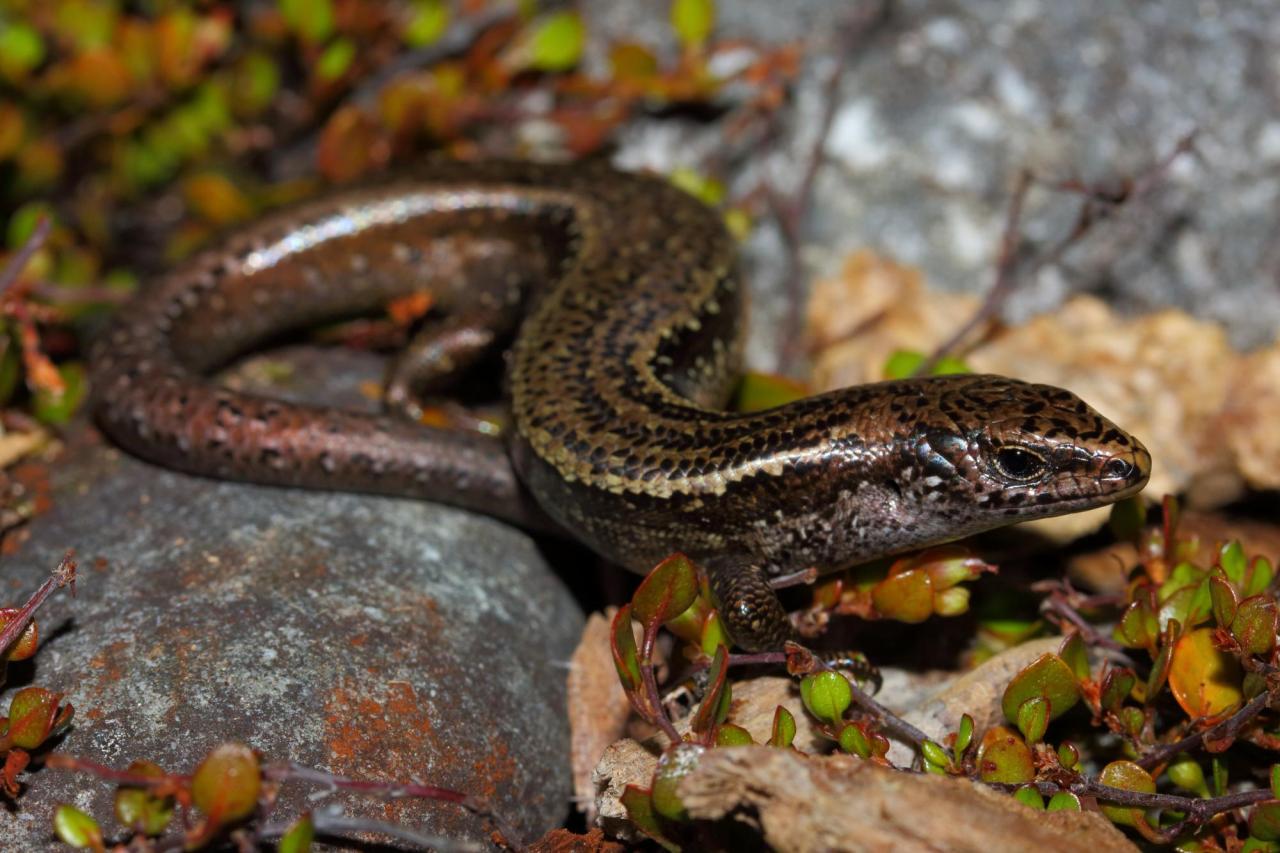
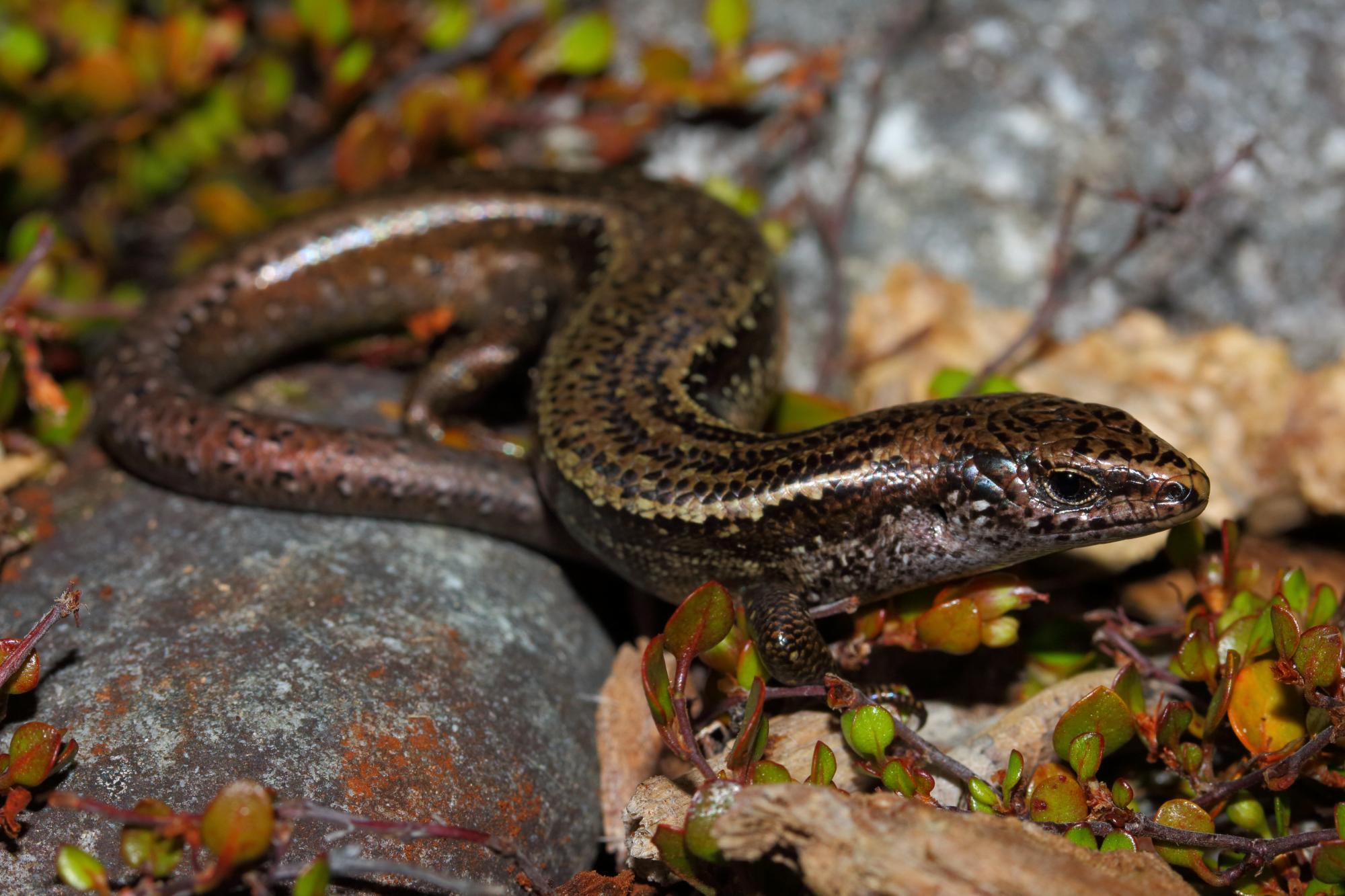
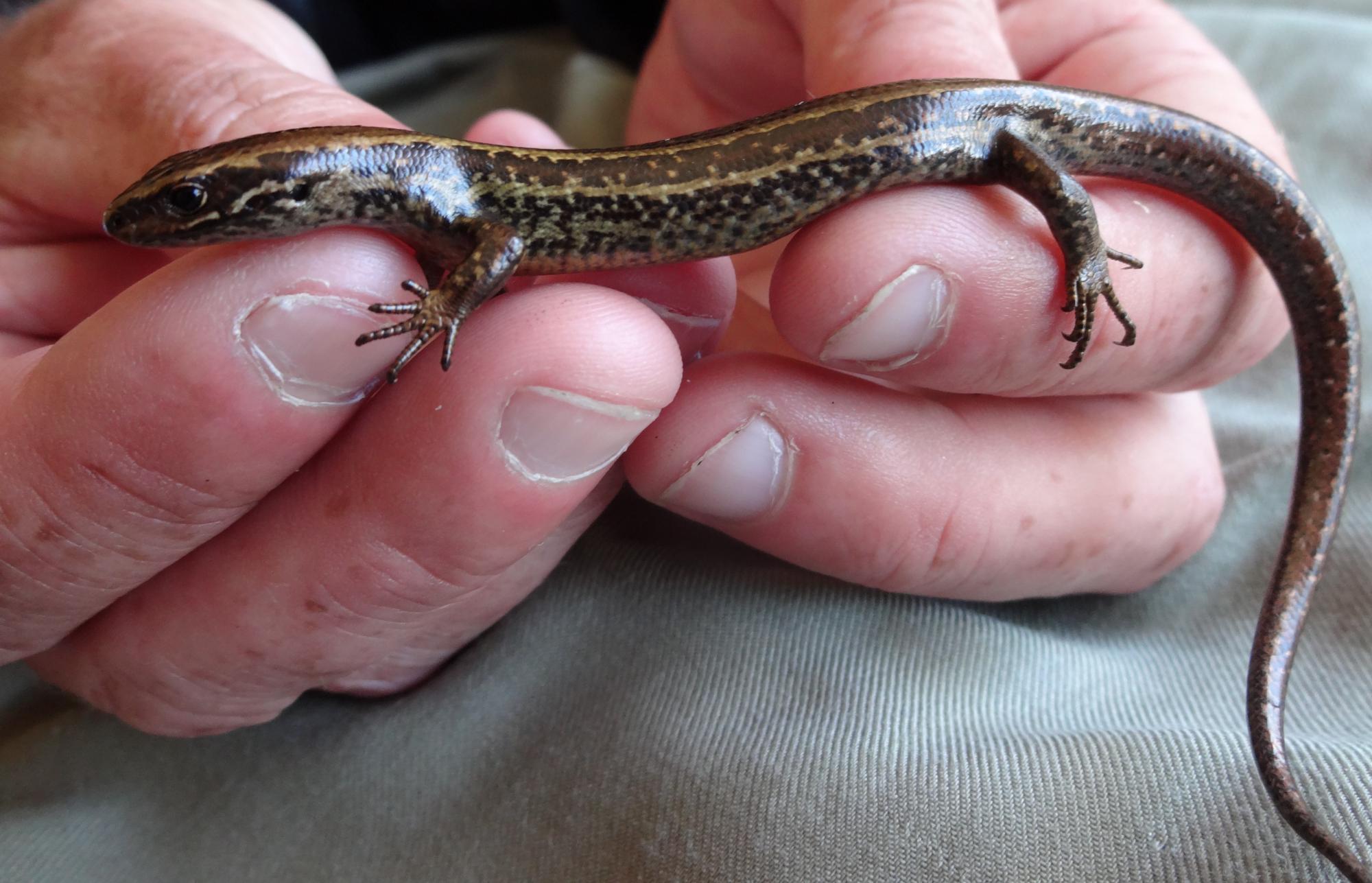
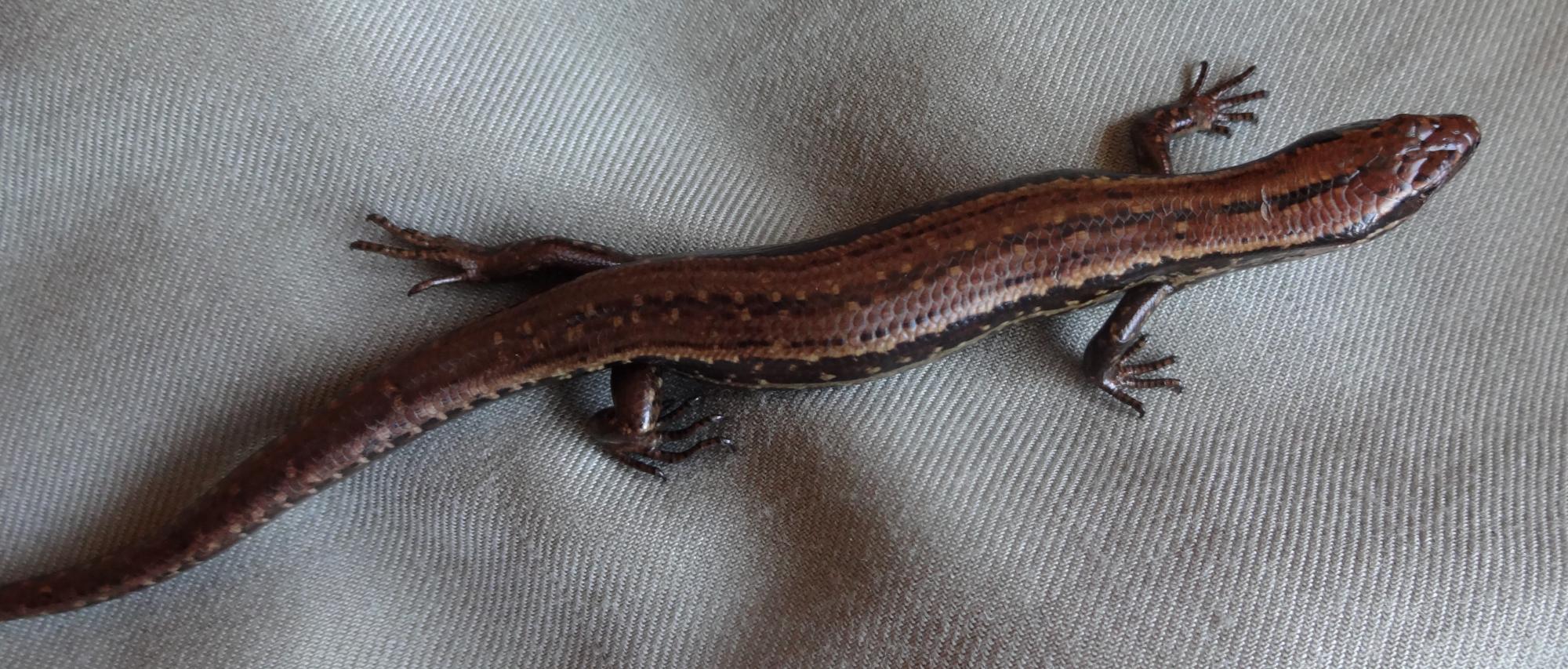
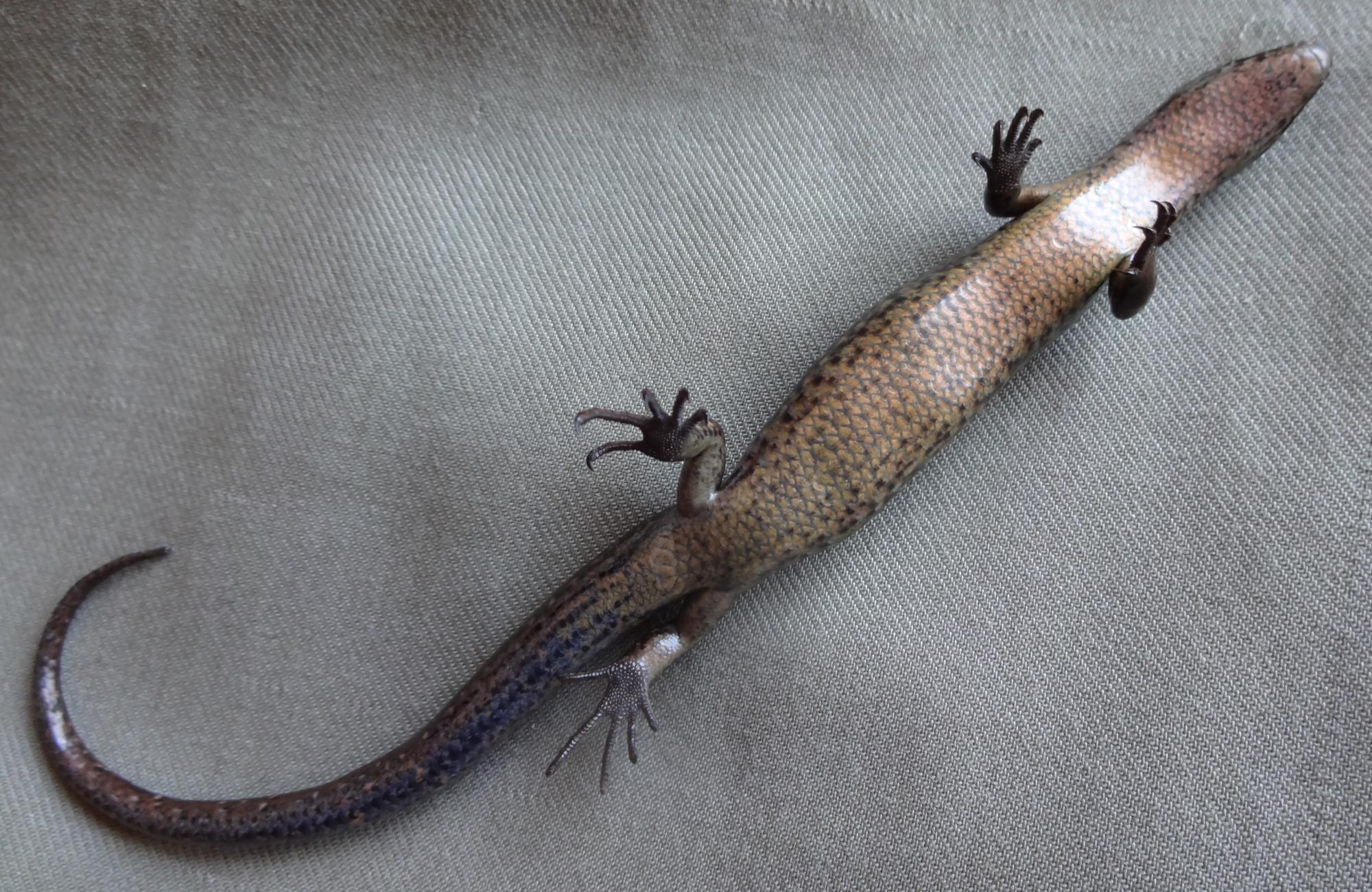
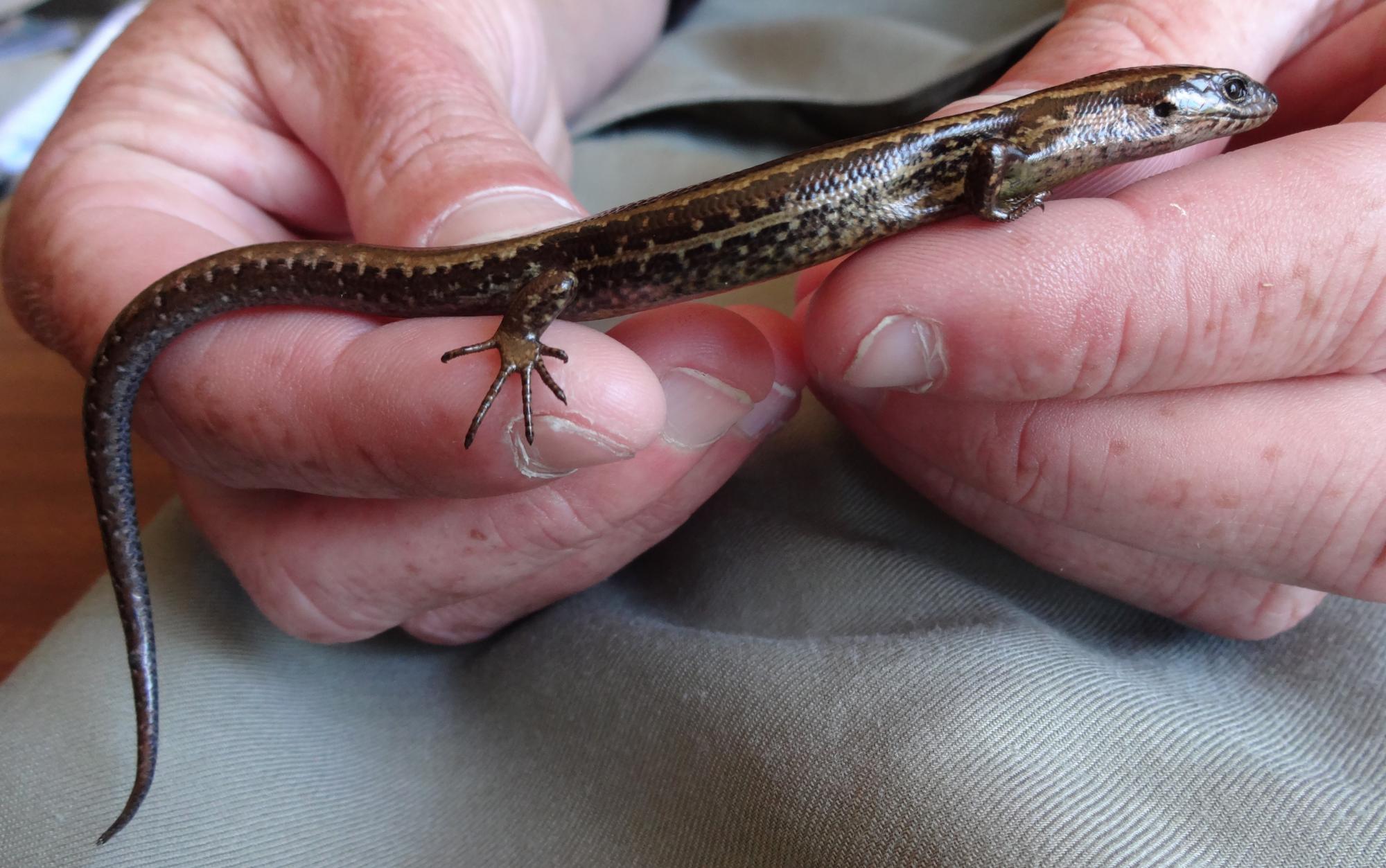
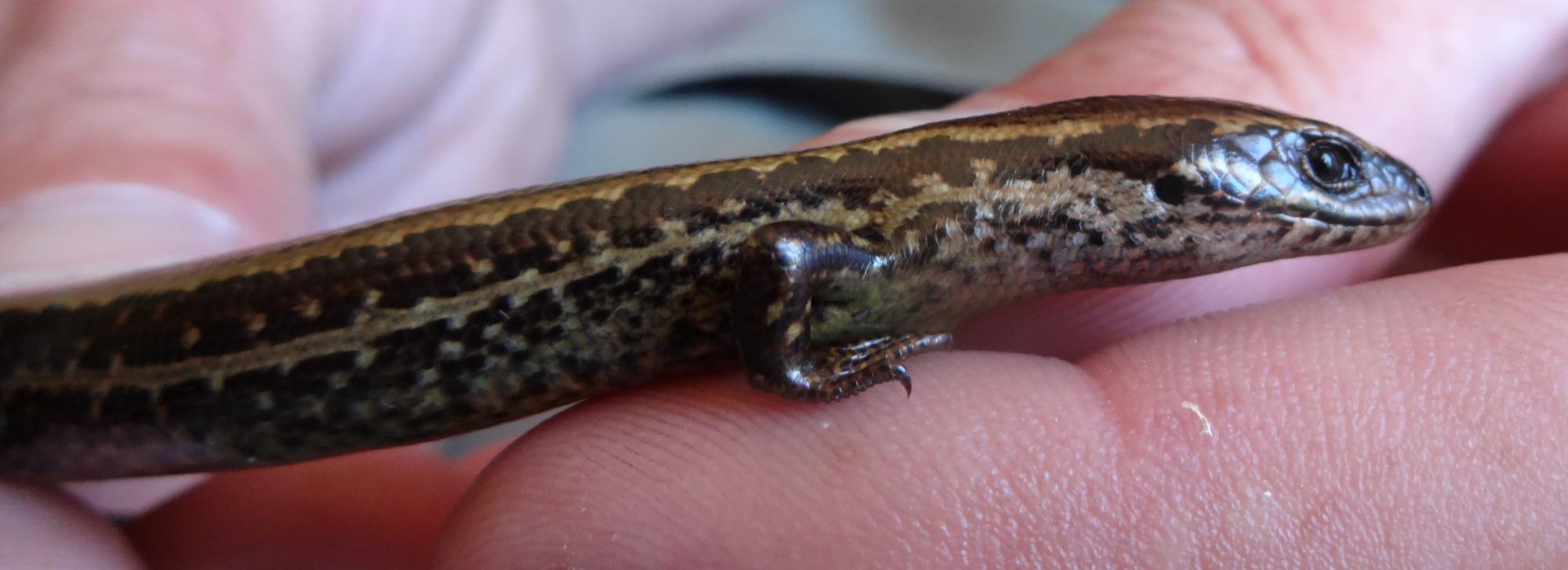
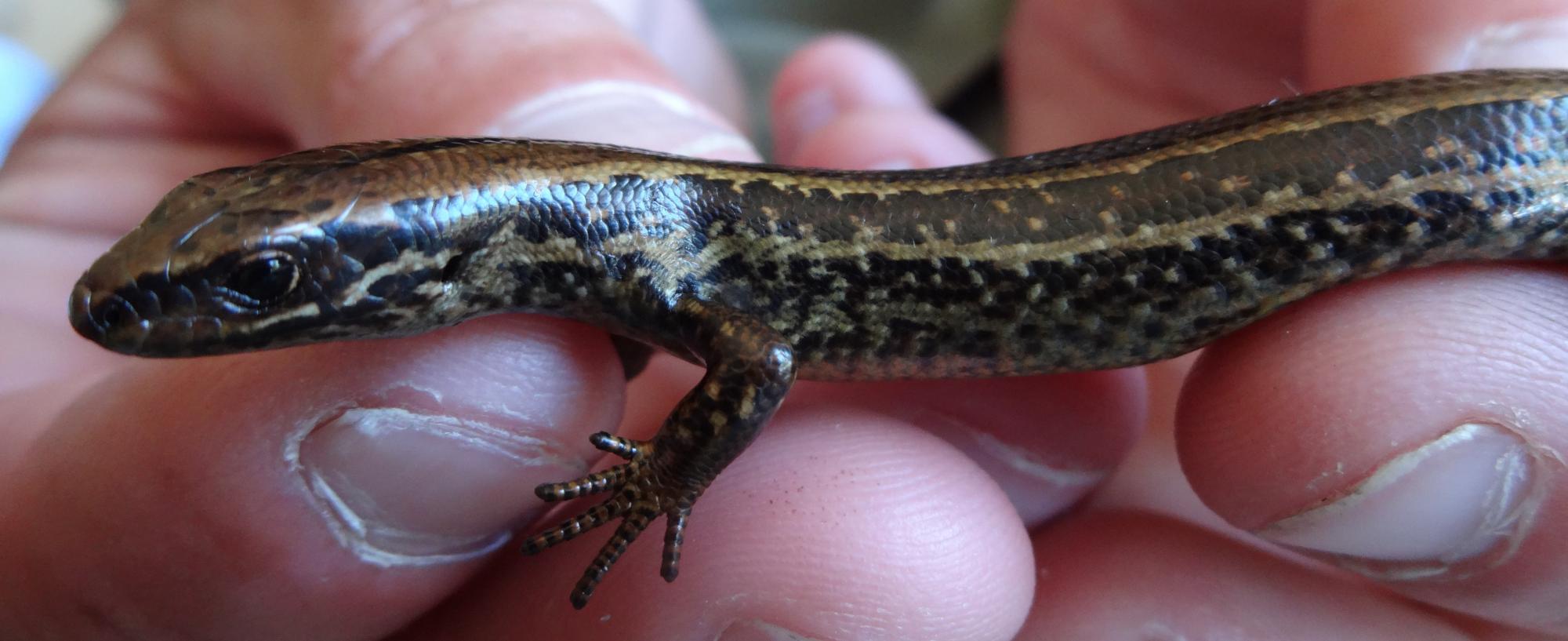
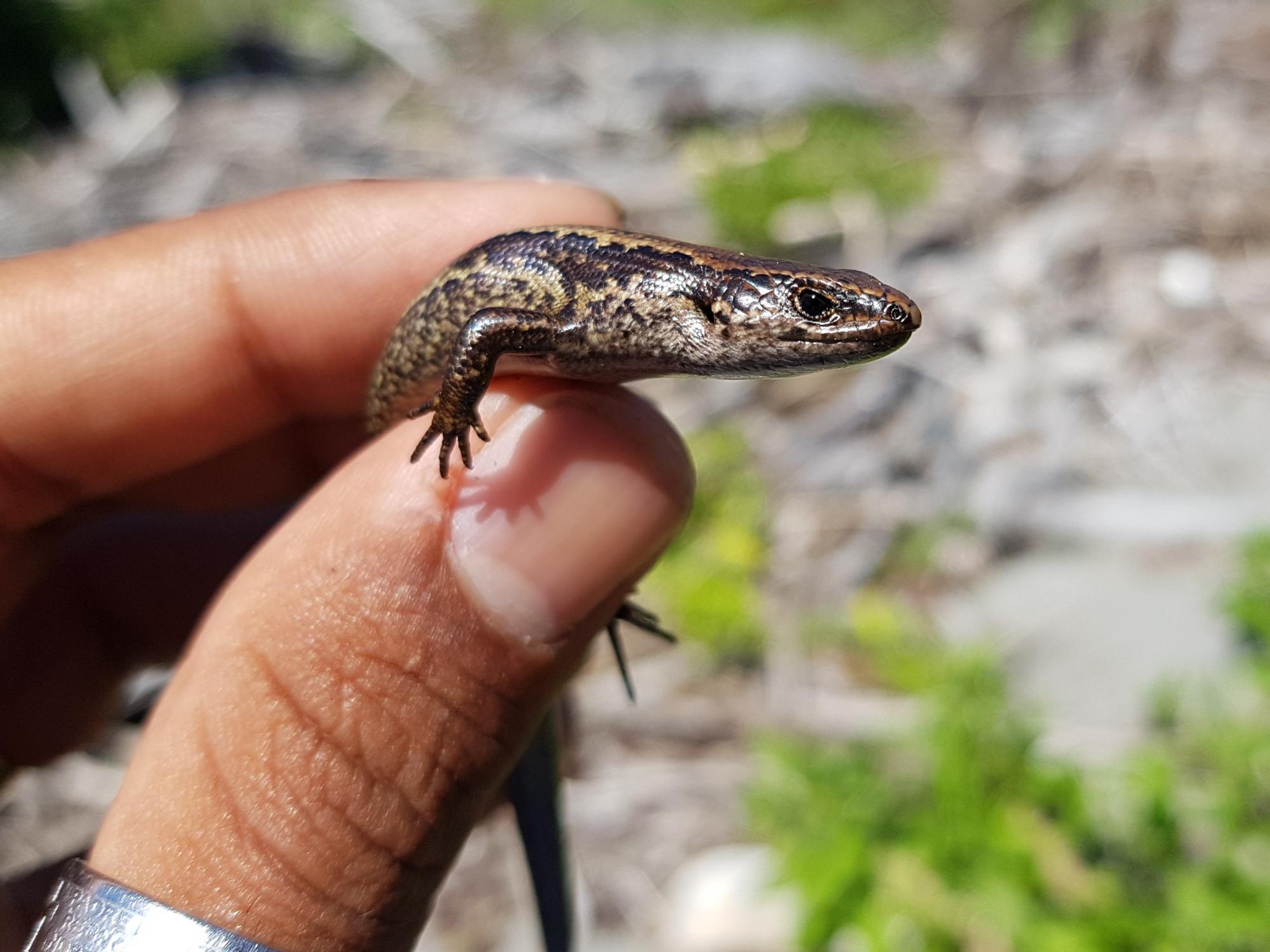
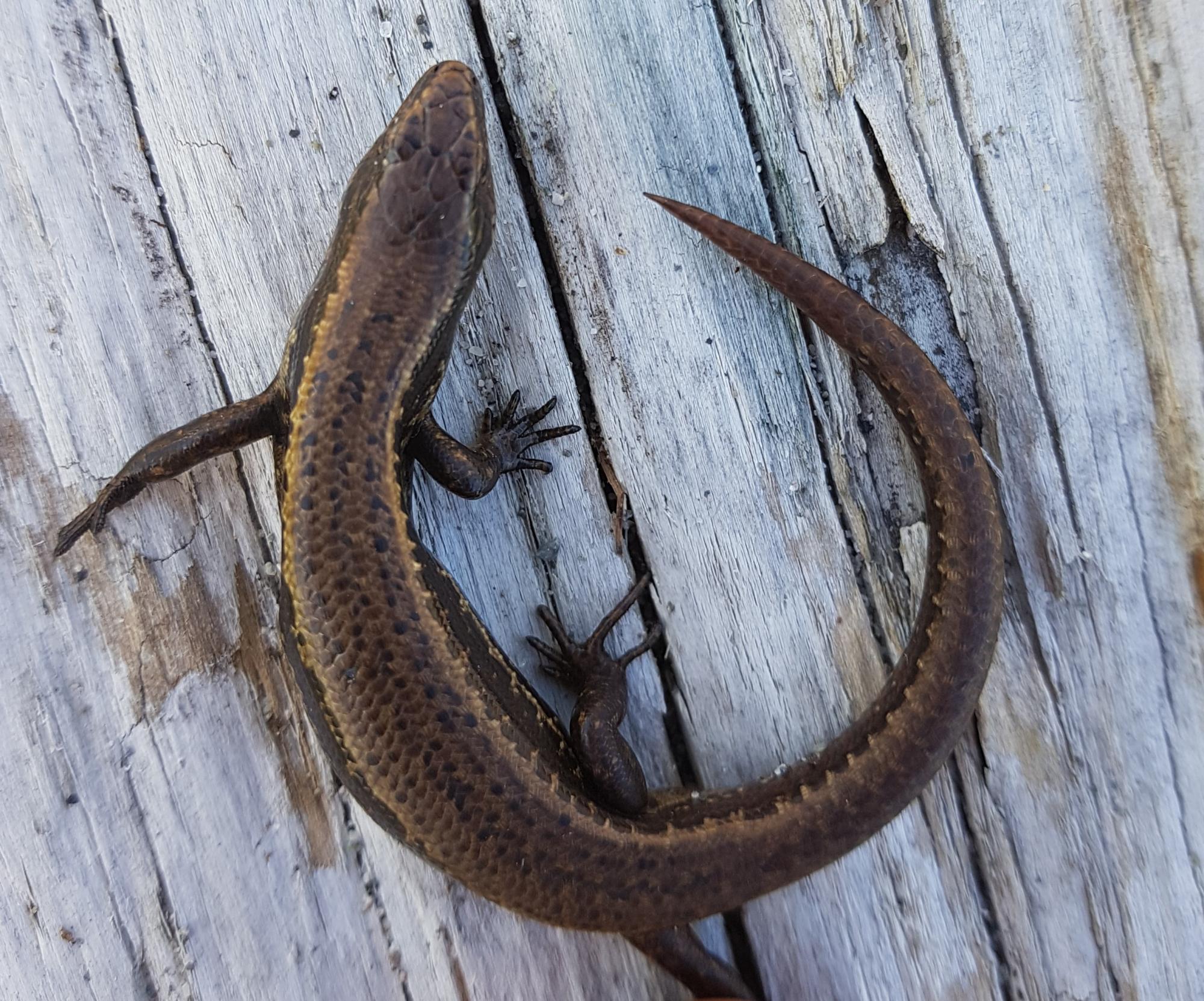
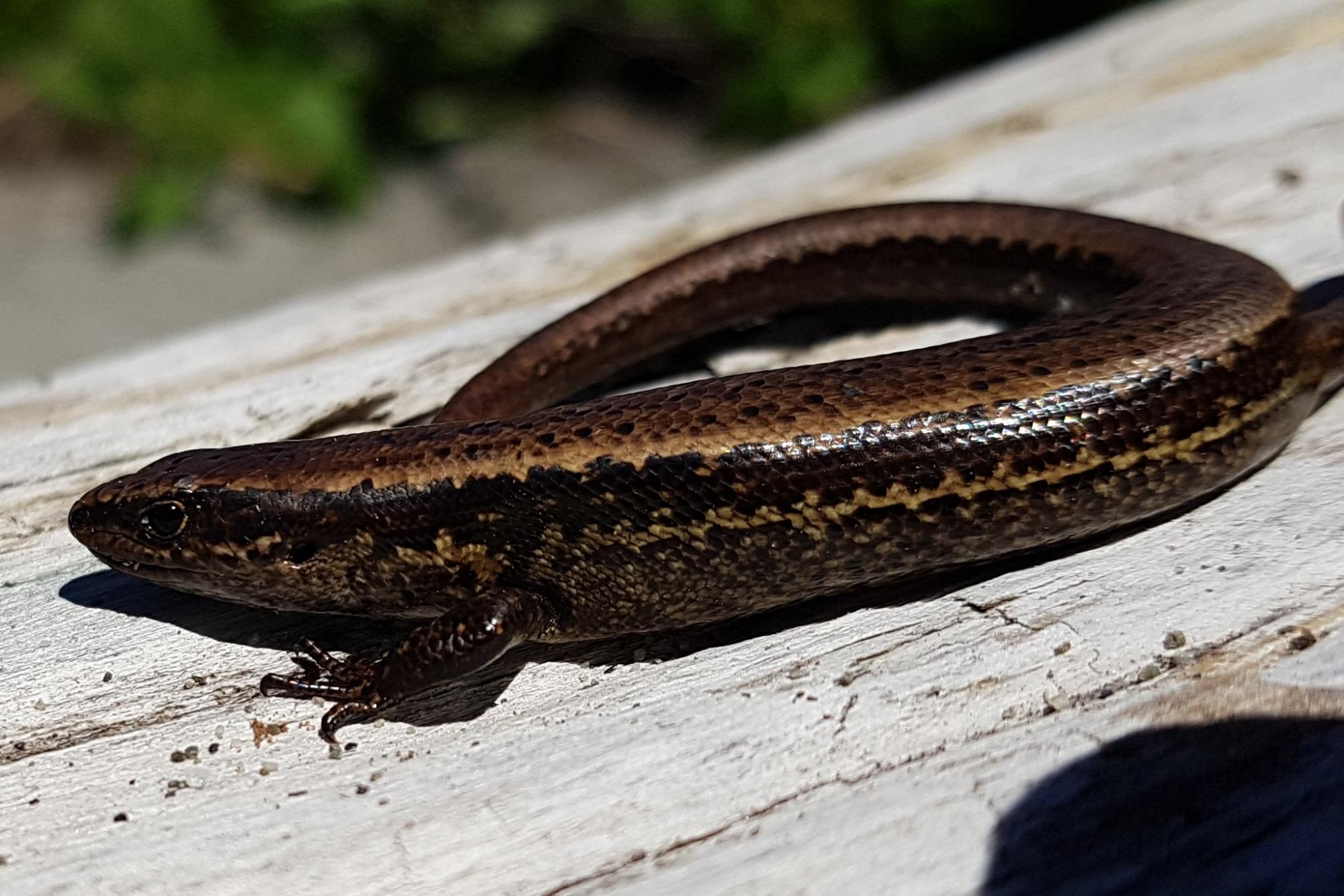
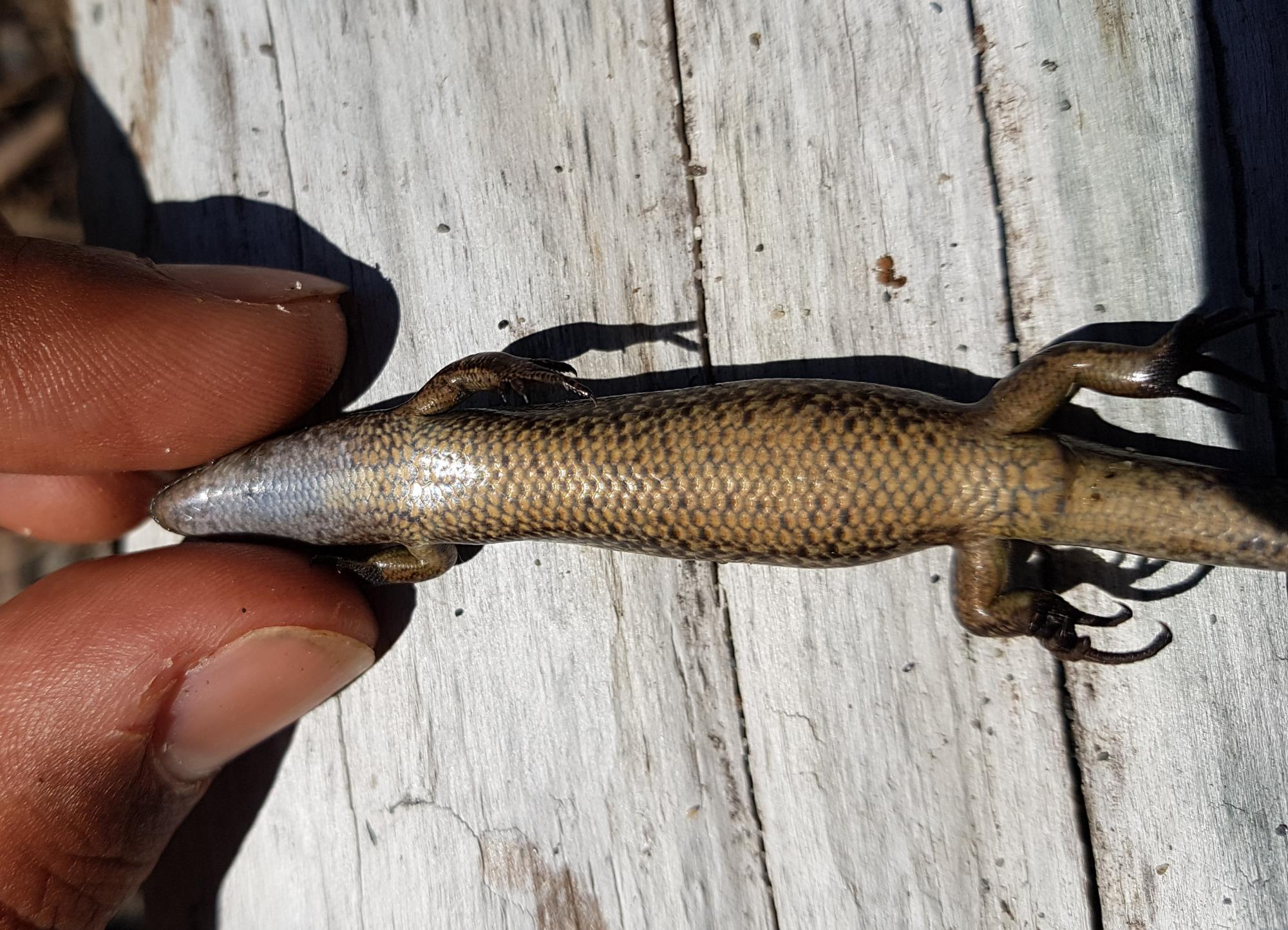
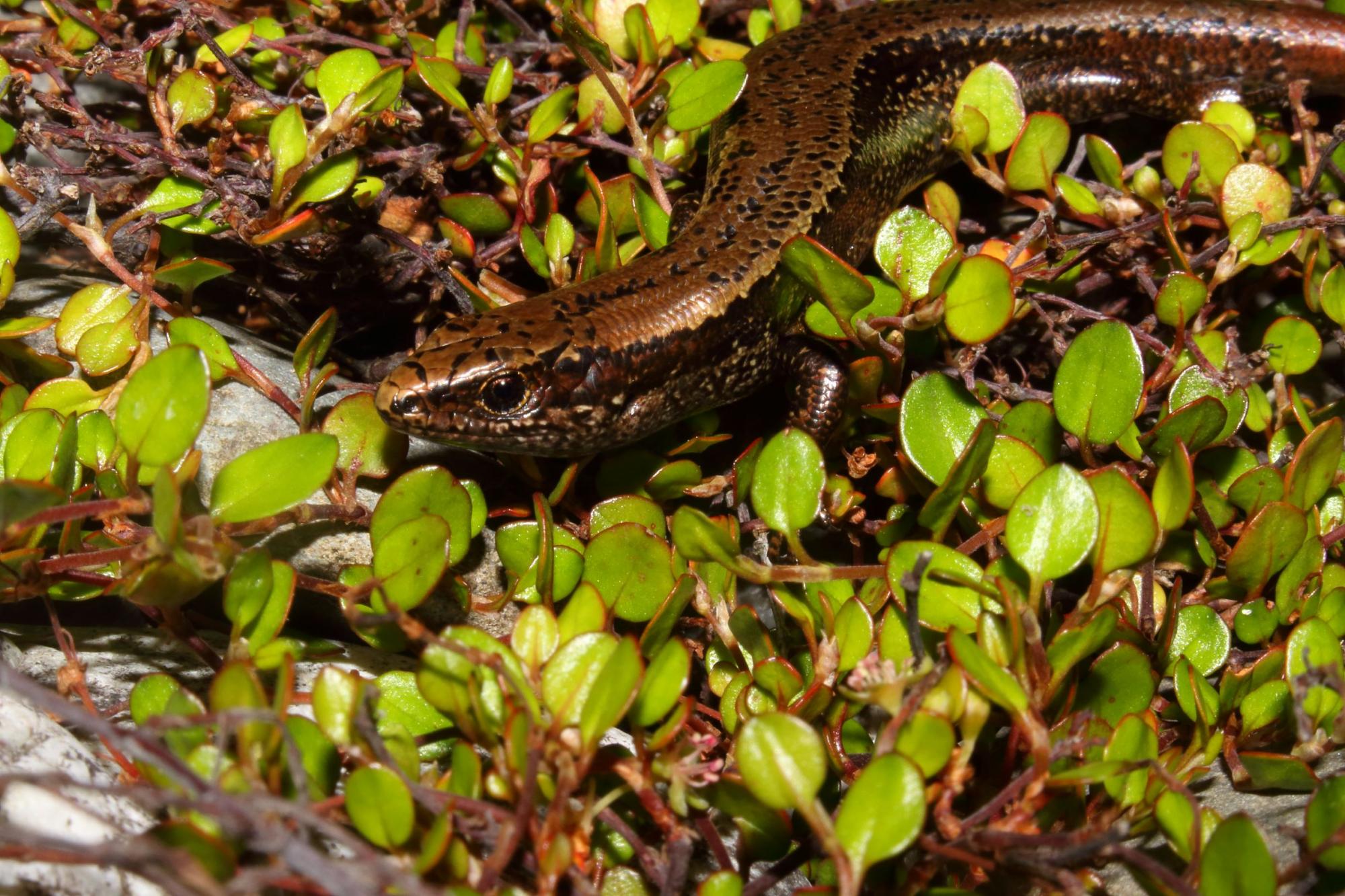
The head has a short, blunt snout, and may exhibit a teardrop as well as denticulate markings on the edges of the mouth. Dorsal surfaces are brown (ranging from tan to bronze) and tend to exhibit a mixture of light (grey) and dark (black) flecking that breaks up the background colouration. Some individuals may also exhibit a dark mid-dorsal stripe running along the spine. Flanks have a dark-brown lateral stripe which begins on the snout and continues along the length of the body and tail. The lateral stripe is notched at the upper margin and bordered above by a fawn-coloured dorsolateral stripe, and below by a cream-coloured mid-lateral stripe with regular light spots on upper and lower margins. Flanks below the mid-lateral stripe are heavily speckled with cream coloured spots which blend into the bright yellow through to cream-brown coloured ventral surface. The ventral surface itself, generally consists of a brightly coloured belly, which transitions to lighter (grey/white/brown) tones on the throat and tail. Individuals exhibit a variable amount of dark speckling on the ventral surfaces, ranging from none to heavily speckled.
Western speckled skinks may be confused with other members of the speckled skink complex where their ranges overlap (e.g. Kapitia skink - Oligosoma salmo), as they are generally indistinguishable, apart from small differences in scale counts; the most accurate way to differentiate them is via genetic testing.
Can generally be distinguished from the co-occurring grass skink based on build (robust vs. gracile), and overall size (< 70 mm SVL for grass skinks vs. > 70 mm SVL for speckled).
Life expectancy
Unknown.
Distribution
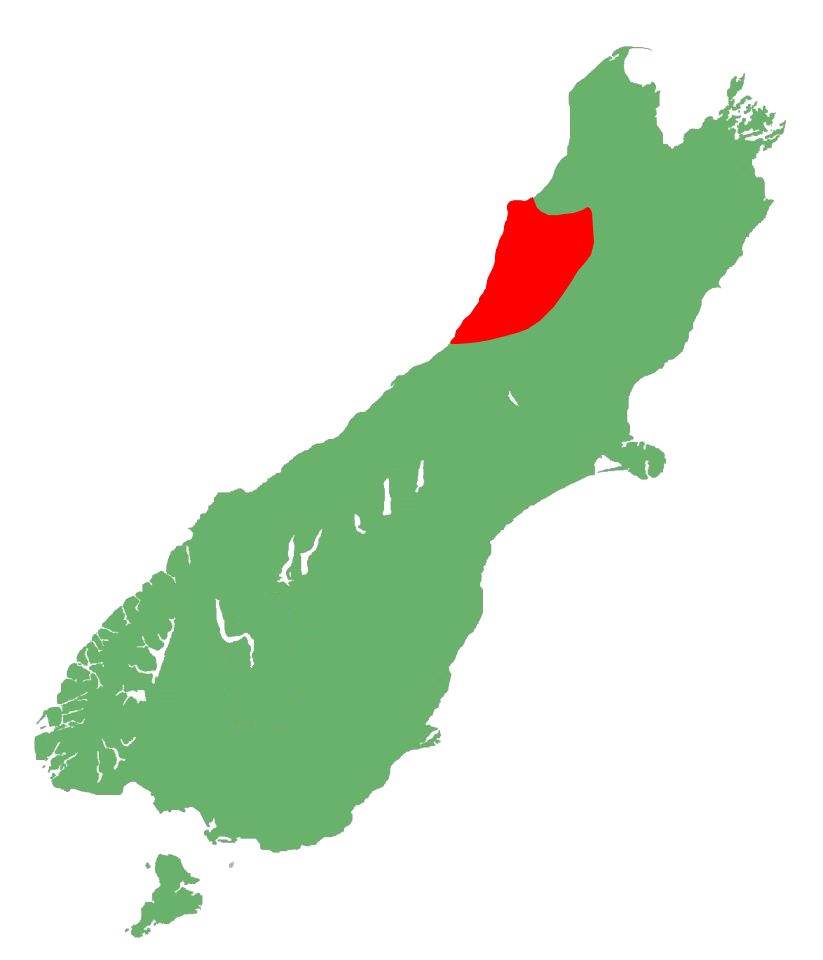
A fairly widespread species occurring from around Westport (west/south of the Buller River), through to the Wanganui River south of Hokitika. Bounded to the east by the Brunner and Victoria Ranges, as well as the Southern Alps.
Ecology and habitat
Western speckled skinks are diurnal and strongly heliothermic. They will sunbask, but often cryptically near cover.
They occur in a wide range of habitats from boulder beaches on the coast, to alpine boulder fields, as well as open forest, scrub, pasture or wetlands at inland sites. When not active foraging or basking, western speckled skinks take refuge on the ground under rocks, logs, driftwood, or in dense vegetation.
Social structure
Western speckled skinks are considered to be solitary in nature, although they will utilise the same refugia if it is large enough.
Breeding biology
Little is known about the breeding biology of western speckled skinks. However, similar to Kapitia skinks, they are believed to reach maturity in around 4 years, and are thought to give birth in late summer (February).
Diet
The diet of western speckled skinks includes a wide range of invertebrates, and the berries/fruit of native species.
Disease
Unknown.
Conservation strategy
The western speckled skink was assessed for the first time in 2025, and is currently classified by DOC as 'At Risk - Declining'.
Interesting notes
Western speckled skinks are members of the speckled skink cryptic species complex - a group of related taxa with similar morphology that were previously regarded as one highly variable species (Oligosoma infrapunctatum).
The Hokitika skink (Oligosoma aff. infrapunctatum "Hokitika"), which was once considered its own unique taxon, was synonymised with this species following recent genetic studies.
References
Hitchmough, R.A., Barr, B., Lettink, M., Monks, J., Reardon, J., Tocher, M., van Winkel, D., Rolfe, J. (2016). Conservation status of New Zealand reptiles, 2015; New Zealand threat classification series 17. Wellington: New Zealand Department of Conservation.
Jewell, T. (2011). A photographic guide to reptiles and amphibians of New Zealand. Auckland: New Holland Publishing.
van Winkel, D., Baling, M. & Hitchmough, R. (2018). Reptiles and Amphibians of New Zealand: A field guide. Auckland: Auckland University Press, 376 pp.